How to Visit Loch Ness From Inverness: What It Costs and When to Go
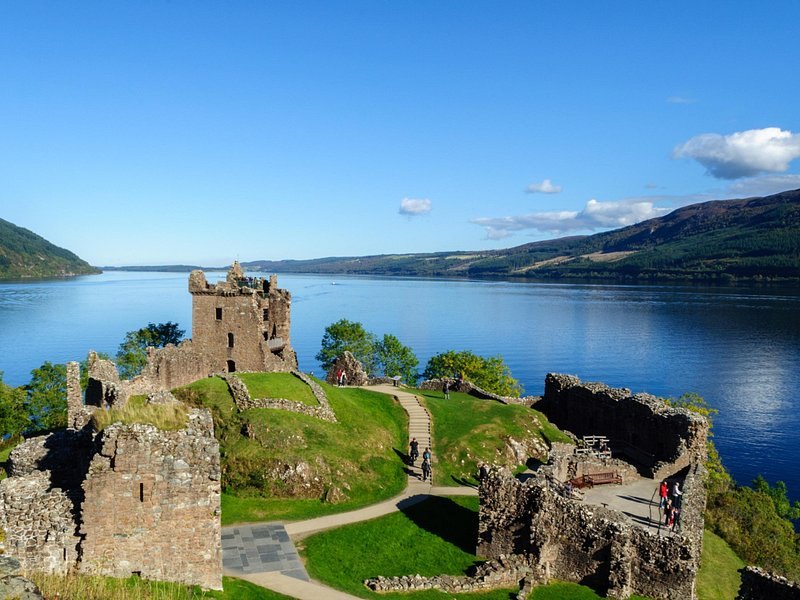
The short answer. Urquhart Castle is the only paid gate on Loch Ness, and it costs £14 booked online against £16 at the door. It sells out online in summer, and when it does there is nothing left to buy at the castle. Some day tours put that ticket inside the fare; one sells it as a checkout option. Pick on that, not on the headline price.
Loch Ness runs south-west from Inverness along the floor of the Great Glen. It is easy to reach, hard to see properly in an hour, and surrounded by more choices than it looks. Almost every one of the Loch Ness tours from Inverness drives at least part of it, and they are not the same day at all.
The one ticket that decides everything
There is only one gate on the loch that charges. Urquhart Castle sits on a headland about two miles from Drumnadrochit, off the A82, and Historic Environment Scotland runs it. Everything else you will stop at — Dores, Fort Augustus, the Falls of Foyers, the shoreline itself — is free.
| Ticket | Booked online | At the door |
|---|---|---|
| Adult | £14.00 | £16.00 |
| Concession | £11.00 | £13.00 |
| Child, 7 to 15 | £8.50 | £9.50 |
| Historic Scotland member | Free | Free |
Book the castle before you travel, or book a fare that has. Historic Environment Scotland says tickets often sell out far in advance over the summer, and that once the online allocation is gone there are no further tickets available at the castle. A coach that parks there without a ticket in your fare can leave you at a gate you cannot pass. See which Loch Ness fares carry the entry.
Opening hours change by four hours across the year
This catches people who book a late-afternoon slot in autumn. The castle opens at 9.30am all year, but it closes at 8.15pm from April to August, at 6pm in September, at 5pm in October and at 4.30pm from November to March. Last entry is always an hour before closing, and the castle shuts on 25 and 26 December.
If you are visiting in the dark half of the year, that 4.30pm close is the thing to plan around. Our month-by-month page sets it out beside the daylight.
How the tours differ
There are three shapes of Loch Ness day and the price tells you very little about which is which.
- The short one. Three and a half hours: an hour on the water and an hour inside the castle, with the boat and the admission both in the fare. It leaves from Stance 7 at the bus station rather than a kerb.
- The full day, everything paid. Seven hours in a sixteen-seat minibus, down the quiet eastern shore and onto the water at the end. The cruise and the Urquhart entry are both named in the inclusions.
- The full day, gates extra. Nine hours and the lowest fare, but the castle entry and the thirty-minute cruise are both checkout options. Very good value if you want to choose; a surprise if you do not read it.
Is the boat worth it?
Yes, and for one specific reason. Loch Ness is a trench with hills coming down steeply on both sides, and from the road you only ever see it edge-on. From the middle of the water the scale resolves, and the castle finally reads as a defensive position rather than a picturesque ruin. It is thirty minutes to an hour depending on the tour.
Driving yourself
This is the one Highland destination where self-driving genuinely competes. The A82 runs the western shore and the castle is signposted. Book the ticket online for the lower price, and book the car park too — parking is free but limited, and it is only guaranteed when reserved in advance.
Two of you driving will spend less than two coach fares. Four of you will spend a good deal less. What you lose is the commentary, and the eastern shore, which most self-drivers never find. Our getting to Inverness page covers the roads and the parking.
What else is on a Loch Ness day
Almost none of these tours is only the loch. Most pair it with Culloden and the Clava Cairns east of the city, which are twenty minutes from Inverness in the opposite direction. Some add a distillery. The longest run on to Glen Affric or all the way to the west coast.
That is worth knowing before you book, because it changes what the day is. A tour billed as Loch Ness may give the loch two hours of its nine.
How long you actually get there
This is the number that decides which tour is right, and the listings publish it stop by stop. An hour and ten minutes at the castle is at the generous end. One route gives Fort Augustus three hours instead, which is a different kind of day — you watch boats work through the canal locks rather than walk a ruin. The full comparison sits on the Loch Ness page.
The half day, and when it beats the full one
There is one three-and-a-half-hour option, and it is better than its length suggests. An hour on the water and an hour inside Urquhart Castle, with both the boat and the admission in the fare, leaving from Stance 7 at the bus station. Nothing else on the loch packs that much paid content into an afternoon.
It suits three kinds of traveller. Anyone off a ship at Invergordon with a fixed all-aboard time. Anyone whose first day here started at lunchtime. And anyone who has already driven the A82 and wants the part they could not do themselves, which is the boat. For everyone else, the nine-hour days add Culloden and the Clava Cairns for not much more money.
What the loch is actually like
It is bigger and narrower than the photographs suggest, and it is a trench rather than a lake. The hills come down steeply on both sides and hold the water in a straight line for over twenty miles. There is no coast road in the ordinary sense. The A82 runs the western shore, and the much quieter B862 and B852 run the eastern one.
That eastern side is where the quiet stops are. Dores has a shingle beach with a long view down the whole loch, and the Falls of Foyers drop through woodland a few miles further on. Only a couple of routes take that shore, and they are better days for it.
Fort Augustus, at the far end, is where the Caledonian Canal steps down into the loch through a staircase of locks in the middle of the village. Watching a boat work through takes half an hour and costs nothing. One day tour gives you three hours there.
When to go
May, June and September are the best months. The light lasts, everything is open, and the castle is easier to book than in July and August. Winter is quiet and cheap, and the loch does not mind rain — low cloud spoils a mountain day far more than a lochside one.
Whatever month you choose, book the castle before you travel or book a fare that has already done it for you.
Every fare here says what it covers and what it leaves at the gate, so compare them on Inverness Scotland Tours before you pick a date.
Loch Ness days that carry the ticket
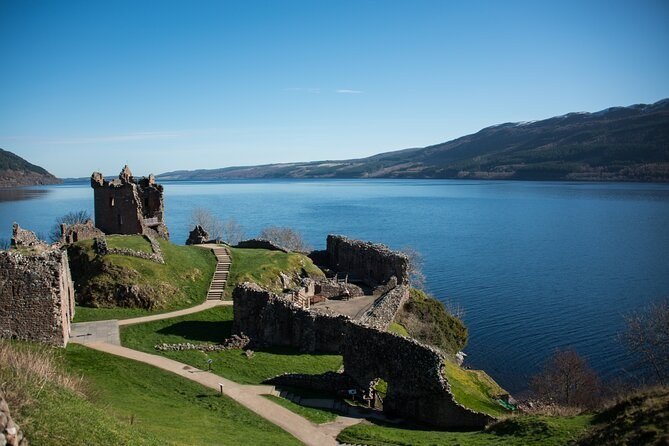
Loch Ness Cruise and Urquhart Castle visit from Inverness
Three and a half hours with the boat and the castle ticket both paid, and a toilet on board.
From $77 per person
Check Availability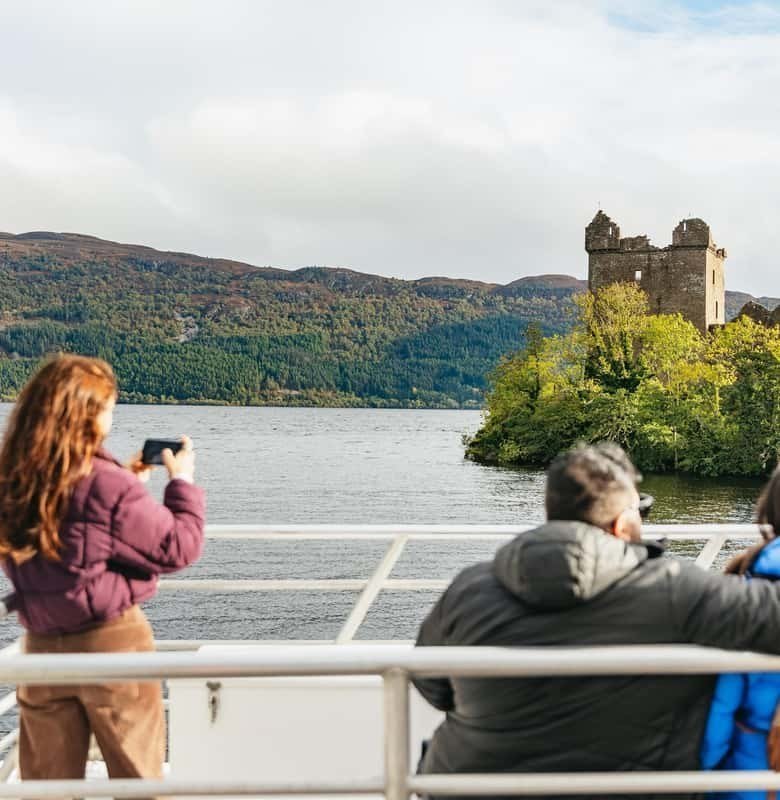
From Inverness: Loch Ness Small-Group Day Tour with Cruise
Seven hours, sixteen seats, and both the cruise and the Urquhart entry named inside the fare.
From $110 per person
Check Availability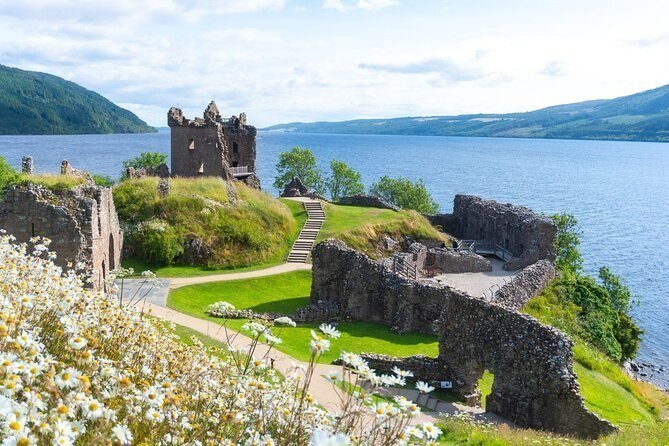
Loch Ness, Outlander & Urquhart Castle from Inverness
The lowest per-person fare of the Loch Ness days, with the castle entry and the cruise offered as extras at checkout rather than built in.
From $72 per person
Check Availability